The economy is changing rapidly due to the digitalization, technology, automation, and new ways of working. While the majority of jobs nowadays require skills that were non-existent a few years ago, some traditions started to slowly disappear. Because of these changes, employees have to adapt to remain relevant in the job market. For example, upskilling and reskilling have become essential strategies that can assist employees to prepare for their future challenges and changes in the workplace.
Upskilling refers to learning new things or advanced skills that are related to an employee's current role, whereas reskilling involves somethings that are completely new skills to move into a differ position. These two methods focus on enhancing employees' growth rather than replacing them. They may feel more familiar in dealing with new tasks and technologies when employees are given the opportunities to learn and discover. This confidence can help ease the fear of change and encourage a more positive attitude toward learning and development.
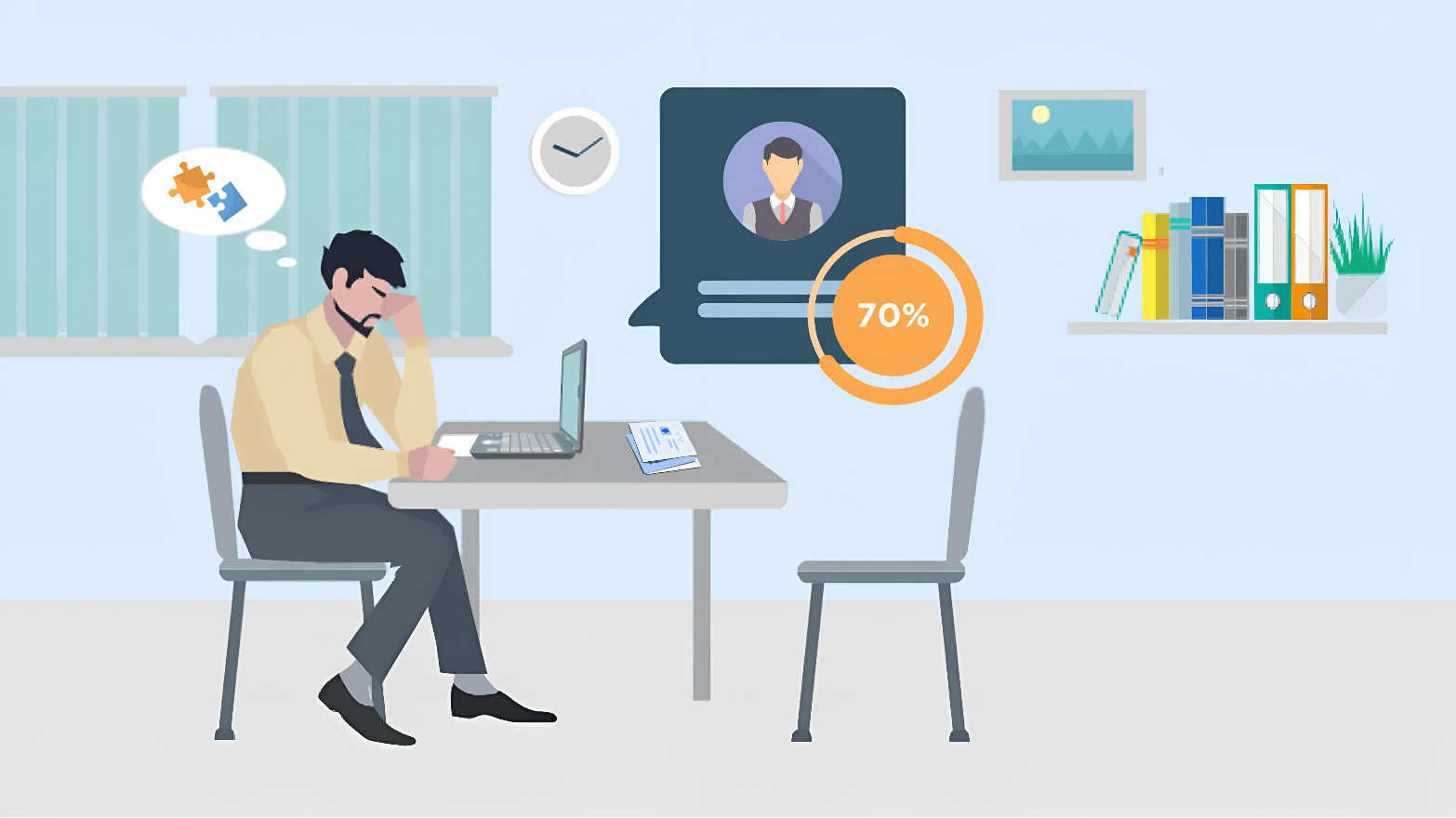
One main reason that upskilling and reskilling are important is the rapid advancement of technology. According to the World Economic Forum’s Future of Jobs Report (2023), around 44 percent of workers’ skills are expected to change within the next five years. This demonstrates that many employees will have to learn new skills to meet future job demands. Without training opportunities, employees may feel unprepared or insecure about their roles, which often leads to the negativity of performance and motivation.
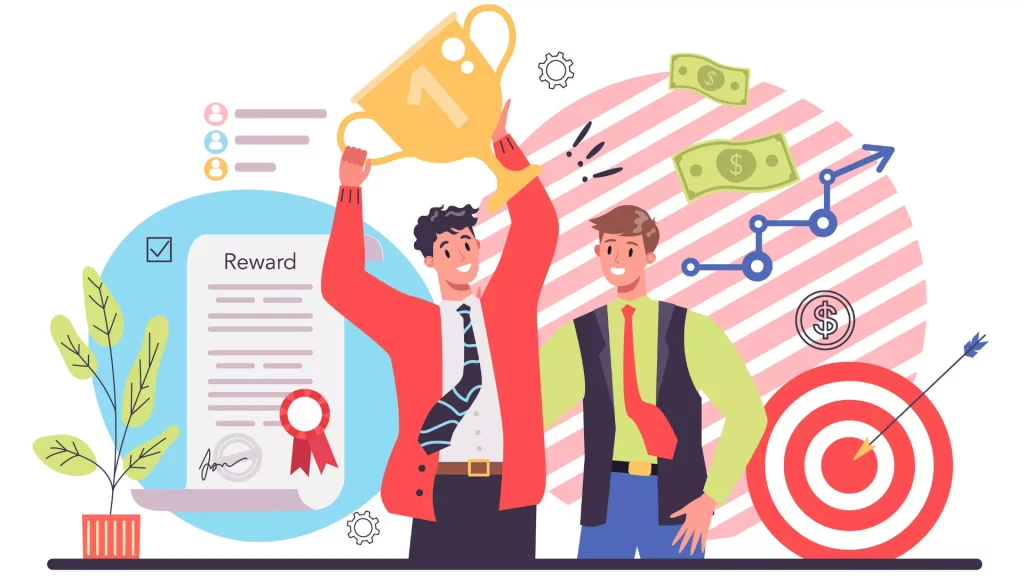
From an organizational perspective, investing in upskilling and reskilling benefits both employees and the company. A report by McKinsey & Company (2021) suggests that reskilling helps organizations close skill gaps while also improving employee engagement and retention. Employees who feel supported in their learning journey are more willing to stay with the company and contribute more effectively to its long-term goals.
To sum up, upskilling and reskilling play an important role in preparing employees for their future jobs. It helps workers adapt to new technologies, foster confidence, and improve job security, while organizations benefit from a skilled and adaptable workforce. In a fast-changing world, continuous learning is no longer optional but essential for long-term success.