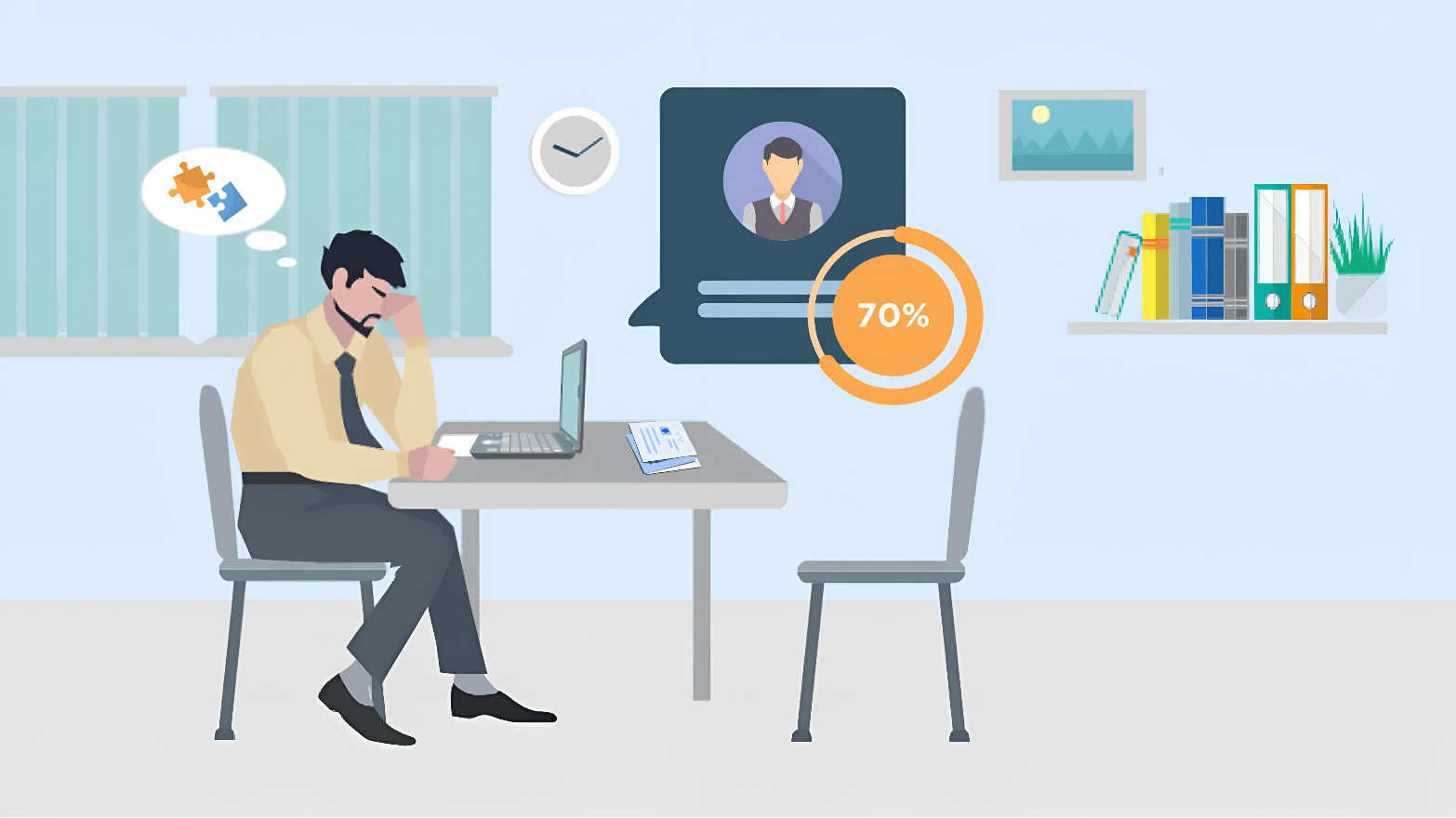

In the early 2010s, despite being one of the world’s most successful tech companies, Microsoft teams were competing against each other rather than collaborating. Under the old performance system, employees were evaluated in a forced “stack ranking,” where managers had to rate a fixed percentage of people as underperformers which discouraged teamwork and encouraged internal competitions.
When Satya Nadella became CEO in 2014, he recognized that the company’s internal culture was holding it back, therefore instead of focusing only on products or profits, he shifted to people-centric transformation. At the heart of this new direction was a switch from a “know-it-all” mentality to a “learn-it-all” growth mindset which encourages exploration and innovation without fear of failure or being marked as underperformers.
The changes were supported by the company’s HR and leadership teams, one of the most visible changes was removing the stack-ranking performance review system. Managers began using real-time feedback and regular check-ins instead of annual forced ratings, which helped reduce internal rivalry and encouraged collaboration.
Beyond performance systems, Microsoft’s HR strategy also focused on psychological safety, empathy, and cross-functional collaboration. Teams were encouraged to share ideas and resources leading to higher productivity and innovation.
Over time, teams that once only competed for “high performer” titles began working together more effectively resulting in innovation such as Office 365 integrations and cloud services. Now, Microsoft’s culture became known for its emphasis on learning, adaptability, and collective success rather than its controversial stack ranking.